Are Chick Fil A Fries Gluten Free
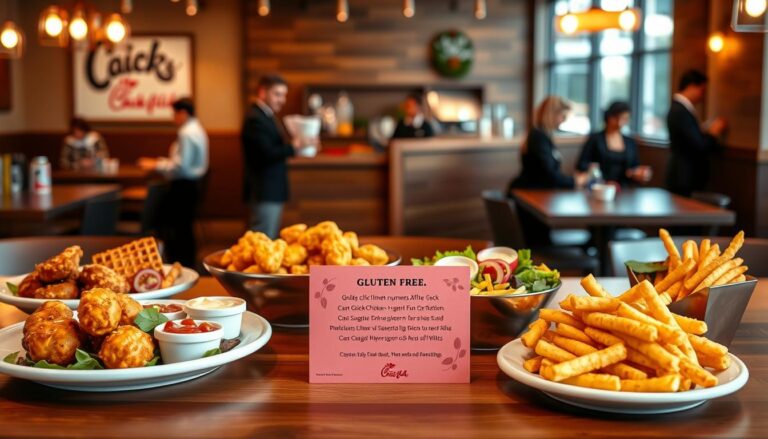
You want a clear answer fast: in most U.S. restaurants the waffle fries are typically cooked in a dedicated fryer, but practices vary by location. Check with staff at your store to manage risk and get the most accurate info.
Chick-fil-A lists a small group of sealed, certified items that remain safe until opened: the sealed gluten-free bun, Honest Kids Appley Ever After juice, Buddy Fruits applesauce, milk, Simply Orange, and Waffle Potato Chips. Everything else is prepared in shared kitchens, which raises cross-contact concerns.
Before you order, review the Nutrition & Allergens guide and ingredient lists online or in-store. If you have celiac disease or high sensitivity, ask targeted questions about the fryer, grill, gloves, and separate bagging.
For a quick guide and full details on certified sealed items and menu notes, see this helpful resource for guests with questions: Chick‑fil‑A gluten info.
Are Chick Fil A Fries Gluten Free: the quick answer for U.S. restaurants
Here’s the quick, practical take on waffle potato fries at most U.S. locations.
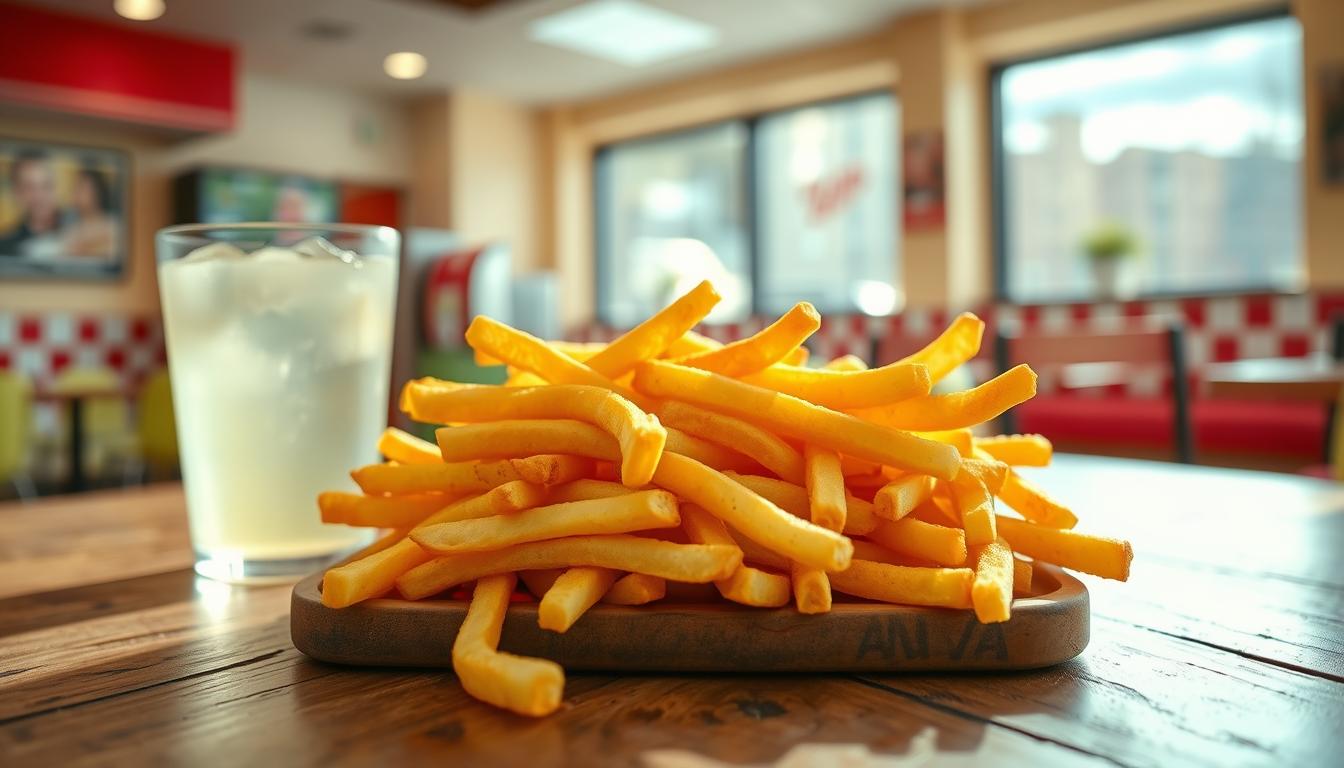
Many stores list waffle potato fries as gluten-free in their allergen resources and often use a dedicated fryer. That practice is why guests with celiac disease may choose them.
Still, the company cannot guarantee any in-restaurant prepared item is fully without gluten because kitchens are shared. Small-footprint sites (airports, malls) may not have a dedicated fryer, which raises cross-contamination risk.
- Ask: “Is the fryer dedicated to potatoes only?”
- If no, pick sealed snack items or a simpler order as a safer option.
- When yes, request fries bagged separately from other menu items.
- Check current menu and ingredient lists—suppliers and formulations can change.
- If you are highly sensitive, weigh the risk and choose sealed items for zero cross-contact.
Verify local practice before you order to make the best choice for your health and peace of mind.
How Chick-fil-A cooks waffle fries and what that means for gluten
How a restaurant cooks its waffle potatoes determines much of the risk for sensitive diners.
The basic ingredients are potato and oil, so by formula the waffle potato pieces are typically free from wheat-based items.
Where cooking happens matters: a dedicated fryer used only for potatoes keeps oil cleaner and lowers risk cross-contamination.
- Ask staff if the fryer is used for breaded items or only for potatoes.
- Even with a dedicated fryer, preparation at the pass can cause contact; request separate bagging.
- Small locations sometimes share fryers due to space, so check each visit.
- Supplier changes affect ingredients, so verify current specs if you are highly sensitive.
| Operating Hours (Typical) | Notes | Best Time to Ask |
|---|---|---|
| Mon–Fri: 6:30 AM – 10:00 PM | Most kitchens fully staffed | Morning opening or mid-afternoon |
| Sat: 7:00 AM – 10:00 PM | Busier, staff rotations | Before rush windows |
| Sun: 8:00 AM – 9:00 PM | Smaller teams at times | Ask at counter when ordering |
| Social Channel | Handle | Use |
|---|---|---|
| @ChickfilA | Menu updates, store posts | |
| Twitter/X | @ChickfilA | Quick news, service alerts |
| @ChickfilA | Photos, special promos |
Chick-fil-A’s official stance on gluten-free items and cross-contamination
The company’s guidance notes that only a handful of pre-sealed products are guaranteed gluten free while unopened. For cooked orders in a restaurant, handcrafted preparation and shared equipment mean the brand cannot ensure every hot item is free from gluten.
Gluten-free vs. gluten-friendly in shared preparation areas
“Gluten-friendly” means lower chance of exposure but not a guarantee. Shared prep areas, counters, and fryers can lead to cross-contamination and cause some menu items to contain gluten despite ingredients that are naturally wheat-free.
Sealed, certified items you can trust until opened
Rely on these sealed products until they are opened: the gluten-free bun, Honest Kids Appley Ever After juice, Buddy Fruits applesauce, Milk, Simply Orange juice, and Waffle Potato Chips.
Why opening a sealed item changes cross-contact risk
Once opened, the gluten-free bun or other sealed items may touch surfaces, utensils, or gloves that contain gluten. If you have serious allergies, ask staff to change gloves, clean an area, and bag your order separately to lower risk.
- Check the Nutrition Guide for current ingredients and allergen notes before you order.
- Expect variation between restaurants: layouts and equipment affect exposure in different areas.
- If you need the lowest risk, build a meal from sealed items or request minimal handling.
| Item | Guaranteed While Unopened | Recommended Action |
|---|---|---|
| Gluten-free bun | Yes | Keep sealed until served; request clean handling |
| Honest Kids juice | Yes | Check label then open |
| Waffle Potato Chips | Yes | Prefer sealed snacks for lowest risk |
Gluten-friendly menu highlights you can consider ordering
Focus on cooked items with minimal assembly to reduce exposure in a shared kitchen. Below are practical choices many guests pick when they want lower risk. Confirm local prep steps before you order.
Breakfast picks
Hash Browns and Hash Brown Scramble Bowls with grilled fillet or sausage are common morning choices. Add a Fruit Cup for a no-fuss side. The Greek Yogurt Parfait contains granola (oats), so check if that fits your tolerance.
Lunch and dinner choices
Go for the Grilled Chicken Filet or grilled nuggets counts (8 or 12). Ask for the sealed bun and open it yourself to make a sandwich at the table if you want a bun.
Sides, salads, and building a meal
Salads like Market, Cobb, and Spicy Southwest work well with grilled chicken—confirm tongs and prep. Popular sides include Side Salad and Kale Crunch. Consider simpler toppings: bacon, lettuce, tomato, pickles, and cheese. Pick dressings listed as safe on the menu.
Kid’s meals and snacks
Kids often choose 5-piece grilled nuggets with Buddy Fruits applesauce. Sealed Waffle Potato Chips are an extra low-contact snack. Ask staff for fresh gloves, a clean surface, and separate bagging to reduce cross-contact.
Sauces, dressings, and beverages: what’s typically gluten-free
Most dipping choices and dressings are listed as safe, yet prep matters more than ingredients. Read labels, then ask staff about how items are handled at your local restaurant.
Dipping sauces to choose and the one to avoid
Nearly all sauces are listed as gluten-free except Sweet & Spicy Sriracha. If you want the lowest risk, choose single‑use packets or ask staff to bring sauce in a clean container.
Salad dressings listed as gluten-free
All salad dressings appear on the allergen guide as gluten-free. Still, request clean tongs and fresh gloves when staff toss or plate your salad to limit risk cross-contamination.
Drinks, milkshakes, and frosted beverages with prep cautions
Soft drinks, coffee, lemonade, iced tea, milk, and juice are listed as safe. Milkshakes and frosted drinks are also listed but blenders can carry traces from cookie or other mix-ins.
- Ask for a clean blender and fresh gloves for blended treats.
- Avoid mix-ins like cookie pieces if you want minimal exposure.
- Prefer bottled or single‑serve menu items when the line is busy.
| Item | Listed Status | Prep Risk |
|---|---|---|
| Sauces (most) | Listed as safe | Low if single‑use or clean container |
| Sweet & Spicy Sriracha | Not listed as safe | Avoid |
| Milkshakes / Frosted | Listed as safe | Medium if blender not cleaned after cookie mix-ins |
Ordering with confidence: minimizing cross-contact in a busy restaurant
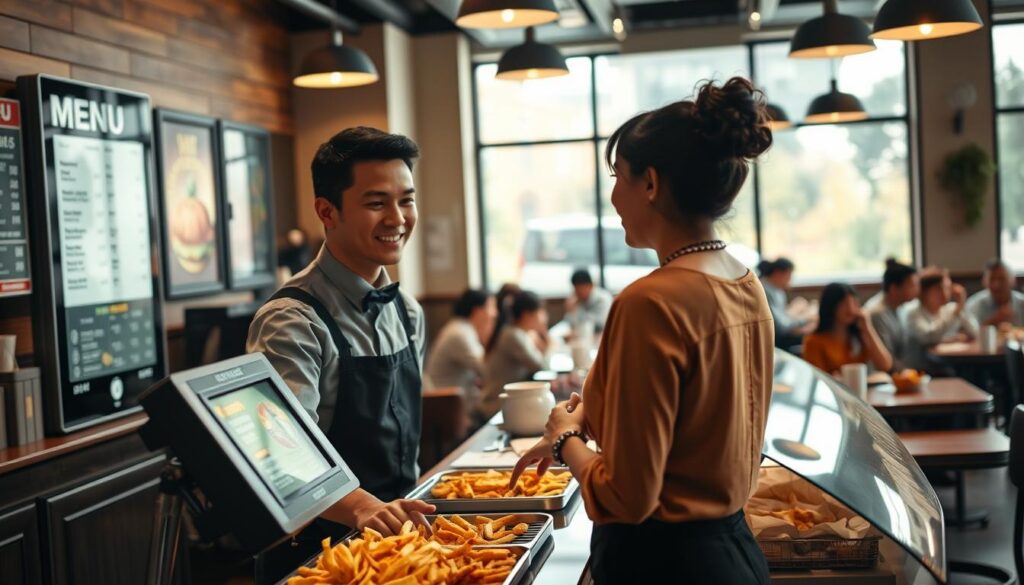
Short, specific questions help staff act correctly when the line is busy. Tell the team you have an allergy and ask for simple steps to lower risk.
Key questions to ask about fryers, grills, gloves, and separate bagging
Keep your questions short and direct so staff can respond quickly.
- Ask first: “Are your waffle fries in a dedicated fryer?” and “Does anything other than grilled chicken cook on the grill?”
- Request glove changes and a clean prep surface before they make your order.
- Ask staff to note the order as an allergy and to use separate bagging for your items.
- Confirm any blended treats can be made with fully cleaned equipment before you commit.
Best times to visit and why slower periods can help
Visit during off-peak hours so the team has time to follow allergy protocols. Mid-morning or mid-afternoon shifts usually allow calmer prep and clearer communication.
If the line is long and the kitchen is slammed, simplify your order to reduce handling or choose sealed menu items as safer options.
Preparation requests that support allergy protocols
Be polite and specific: ask for fresh gloves, a wiped surface, and separate bagging. Thank the staff—kindness helps get better attention.
| Operating Hours (Typical) | Notes | Best Time to Ask |
|---|---|---|
| Mon–Fri: 6:30 AM – 10:00 PM | Full staff, routine prep | Mid-morning, mid-afternoon |
| Sat: 7:00 AM – 10:00 PM | Busier; more fryer use | Late morning before lunch rush |
| Sun: 8:00 AM – 9:00 PM | Smaller teams at times | Mid-afternoon |
| Social Channel | Handle | Use |
|---|---|---|
| @ChickfilA | Menu updates, store posts | |
| Twitter/X | @ChickfilA | Quick news, service alerts |
| @ChickfilA | Photos, promos |
For people with celiac disease: practical risk management
If you have celiac disease, practical steps can help lower exposure when you eat out. Start with a short plan you can repeat each visit.
Understanding shared kitchens and the limits of guarantees
Shared cooking and prep areas mean there is always some cross-contamination risk except for sealed items. Restaurants cannot promise hot, hand-prepared orders are completely safe.
Balance convenience with your own tolerance and prior reactions to similar food. Smaller units like mall or airport sites often have more shared areas and higher exposure.
How to communicate needs clearly and document your order
- Say “severe gluten allergy” and then state celiac disease so staff follow protocols.
- Ask about dedicated fryers, grill use, glove changes, and separate bagging before you order.
- Keep a short note in your phone with exact requests to repeat a safe process each time.
- Recheck ingredient lists periodically: suppliers and recipes change.
- If answers are unclear, choose sealed options or another restaurant that day.
| Operating Hours (Typical) | Notes | Best Time to Ask |
|---|---|---|
| Mon–Fri: 6:30 AM – 10:00 PM | Full staff; easier to confirm steps | Mid-morning or mid-afternoon |
| Sat–Sun: 7:00 AM – 10:00 PM | Busiest; more shared prep | Before peak windows |
| Airport/Mall sites | Smaller kitchens; more cross-contact | Ask at counter when ordering |
Your next steps for a safer gluten-free order at Chick-fil-A
Before you order, take a few simple actions that cut exposure risk.
Check the menu and ingredient list online so you know which menu items match your needs.
On arrival, ask if waffle potato pieces use a dedicated fryer and whether anything else cooks there.
Build your meal from grilled options: pick grilled nuggets or a grilled chicken filet, add a sealed gluten-free bun, and assemble your sandwich yourself.
Keep sides simple: choose a side salad, kale crunch, fruit cup, or sealed Waffle Potato Chips if the fryer is shared.
Pick dressings and sauces listed as gluten on the company list; skip Sweet & Spicy Sriracha. Request fresh gloves, a wiped surface, and separate bagging.
For milkshakes and frosted drinks, ask that the blender be cleaned to avoid cookie mix-in residue. If anything feels uncertain, select sealed options or try another restaurant—the choice protects your health.